An Ancient Crossroads
The Dahlak Archipelago has been inhabited for at least two thousand years. Ancient trading dhows sheltered in the natural harbours of Dahlak Kebir en route between the Roman and Byzantine empires and the kingdoms of Arabia and the Indian subcontinent. The archipelago formed part of the trade network of the Axumite Empire — the great highland civilisation centred on present-day northern Ethiopia and Eritrea — and later became a strategic possession of successive Islamic sultanates, Ottoman rule, and the Italian colonial administration.
Evidence of this layered history is still visible. On Dahlak Kebir, more than 360 ancient cisterns cut into the limestone testify to the engineering sophistication of Axumite-era inhabitants. Medieval Islamic tombstones, carved with Kufic inscriptions, stand in eroded cemeteries near the island's main village. The Ottomans used the islands as a naval base and a place of exile for political prisoners; during the Italian colonial period Dahlak Kebir hosted a prison camp whose ruins are still partly standing.
The modern population of the archipelago is tiny — roughly 3,000 people spread across fewer than ten permanently inhabited islands. The majority are Afar people, one of Eritrea's nine recognised ethnic groups, who have maintained a maritime lifestyle of fishing and pearl diving for generations. The pearl diving industry that once made Dahlak famous across the medieval Islamic world has largely ceased, but the fishing culture continues, with small motorised dhows working the shallow banks between the islands.
Geography of the Archipelago
The 209 islands of the Dahlak chain vary enormously in character. The outermost islands — closer to the shipping lanes of the southern Red Sea — are low limestone platforms entirely devoid of fresh water, accessible only by sea, uninhabited and rarely visited even by local fishermen. These are the locations of the archipelago's most pristine dive sites: reef walls dropping unimpeded to the deep floor, with no trace of anchor damage or human activity.
The inner islands, closer to the Massawa coast, sit on a shallow carbonate platform rarely exceeding 20 metres depth. This wide, warm, sheltered zone is productive seagrass and sand flat habitat — critical foraging and nursery ground for dugongs, hawksbill turtles and the juvenile fish that recruit to the outer reefs as they mature. In the inter-island channels, the bottom is a mosaic of coral bommies, rubble and sand, alive with invertebrate life.
Reef Structure
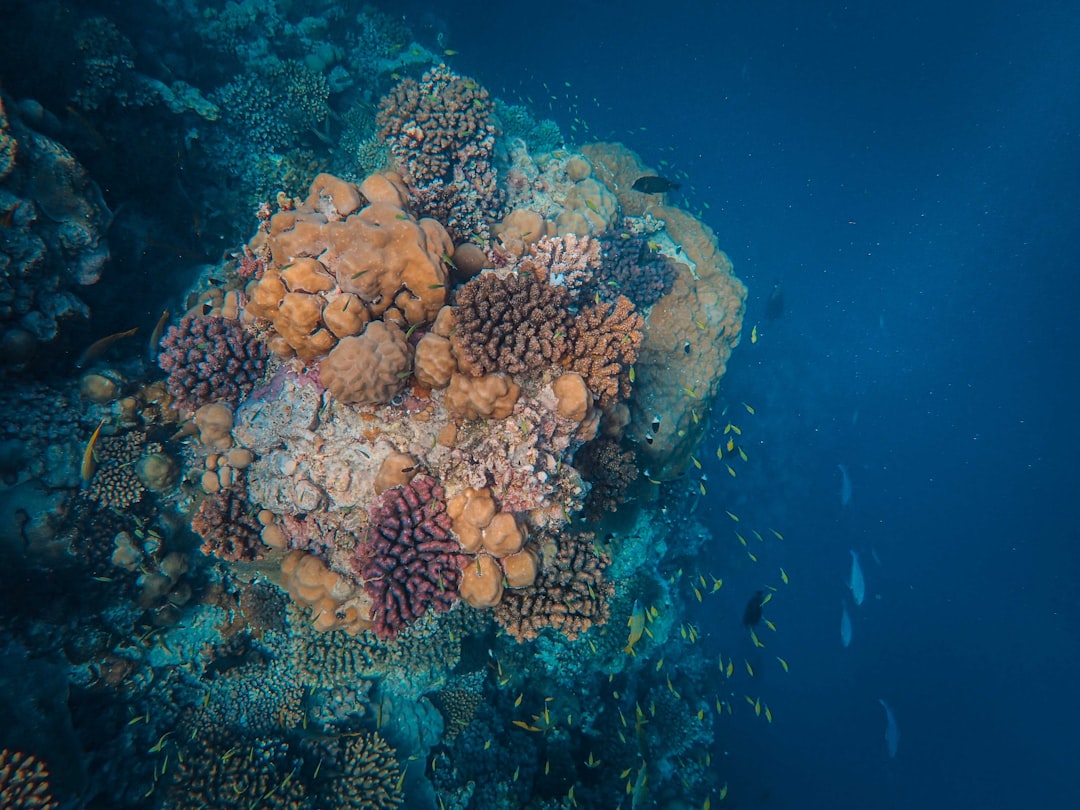
The Dahlak reefs are built primarily on ancient limestone platforms submerged during post-glacial sea level rise. Living coral has colonised these platforms over the past 8,000–10,000 years, creating complex three-dimensional habitat. The shallow reef terraces, carpeted in table acropora, drop to a rubble slope at 15–20 metres, then transition to a vertical or overhanging wall on the exposed outer faces. The walls, draped in soft coral and sea fans, continue to depths beyond the range of recreational diving.
The Outer Islands
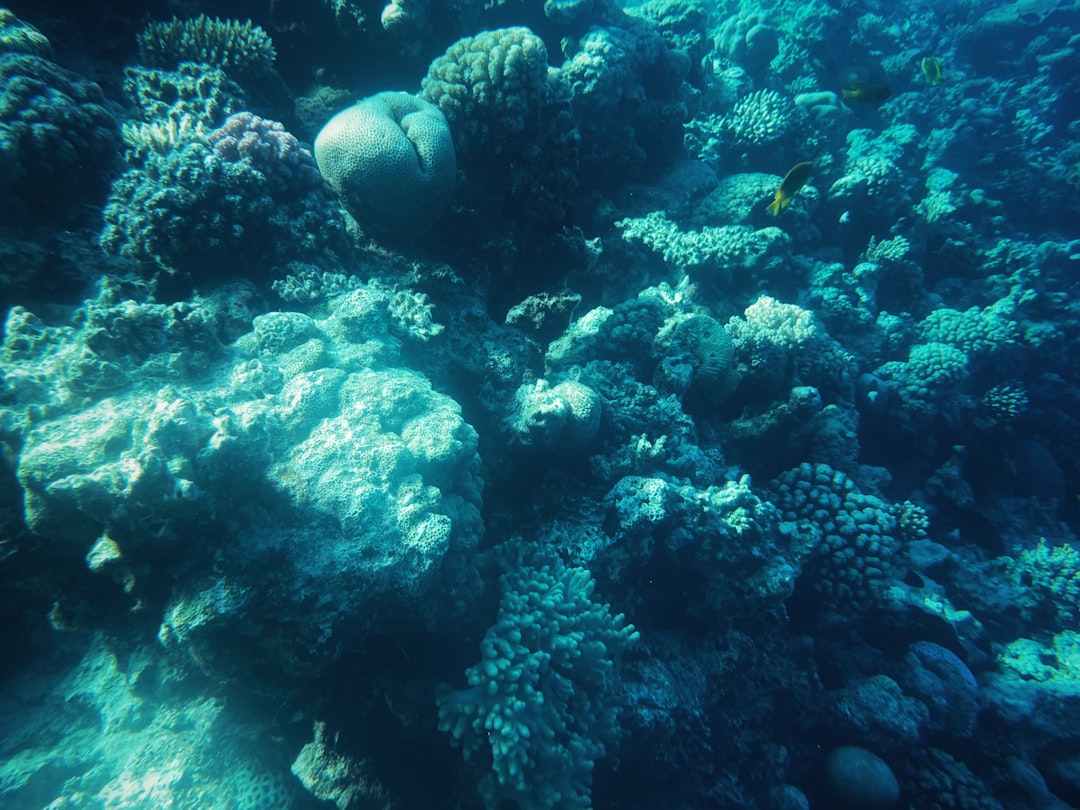
Beyond the 50-kilometre radius from Massawa, the Dahlak islands become progressively more isolated and pristine. Live-aboard dive vessels are the only practical way to access these outer reaches. The crossing from Massawa takes five to eight hours by local dhow in moderate conditions; in the calm winter months, the sea between Massawa and the outer island chain is often glassy at dawn, the surface broken only by flying fish and the occasional dorsal fin.
Getting There: Logistics & Permits
Reaching the Dahlak Archipelago requires more planning than most dive destinations. Eritrea itself requires a visa obtained in advance from an Eritrean embassy. Permits for the Dahlak Archipelago are separate from the general tourist visa and must be obtained from the Ministry of Tourism in Asmara. The permit process typically takes two to three weeks and requires the submission of a proposed itinerary, vessel details (if bringing your own boat), and passport copies.
The nearest international airport is Asmara International Airport, which receives flights from Dubai, Cairo, Frankfurt and a limited number of other destinations. From Asmara, the road descent to Massawa takes approximately ninety minutes by car along the spectacular Massawa road — one of the engineering achievements of the Italian colonial era, carved into the escarpment of the Eritrean highlands with a series of switchbacks still largely unchanged from their 1930s construction.
Dive Operators
The number of dive operators based in Massawa with reliable equipment and experienced dive guides remains small. Most visitors to Dahlak's outer dive sites travel on chartered live-aboard vessels — either Ethiopian or Eritrean-flagged boats that combine reasonable accommodation with access to sites 60–100 kilometres from Massawa. Day trips from Massawa can reach Green Island and the inner fringing reefs; longer itineraries of four to seven nights are required to access the best outer wall sites.
Equipment rental is available in Massawa but is limited — tanks, BCDs and regulators of varying vintage. Divers visiting Eritrea should carry their own mask, fins and computer at minimum, and consider bringing a full set of personal equipment if quality is important.
Important: Photography permits are separate from dive permits in Eritrea. Underwater photography for commercial purposes requires prior government authorisation. Personal photography is generally permitted but always confirm with your local guide or operator before filming anywhere near government buildings, military installations or ports.
What to Expect
The Dahlak experience is emphatically not a polished dive resort experience. Boats are basic, facilities minimal, and the logistics require flexibility. Power cuts, delayed permits and rough sea crossings are part of the deal. What you receive in exchange is access to dive sites that virtually no one else has been to — reef walls and shipwrecks dived perhaps a handful of times in their entire history, fish populations that have never learned to associate humans with danger, and a silence on the inter-island passages at night that has to be experienced rather than described.
For divers who have done the Maldives, the Coral Triangle, the Egyptian Red Sea — who are looking for something genuinely frontier — the Dahlak Archipelago is, for the moment, exactly that. Whether it remains that way depends largely on how carefully its access is managed in the years ahead.